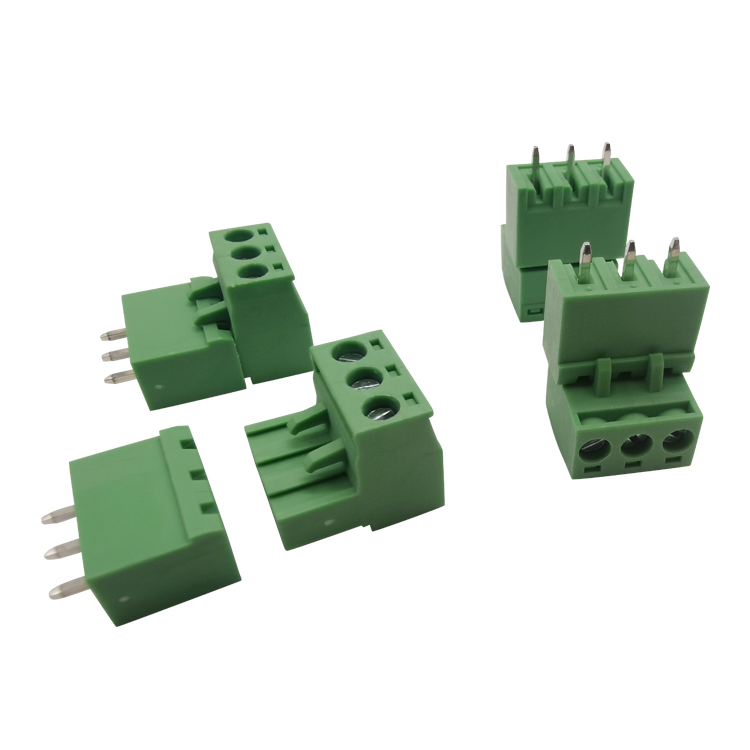
استخدام مناسب كتلة طرفيةتُعدّ هذه خطوة حاسمة في تحسين الأداء الكهربائي، وتشمل جوانب مثل موثوقية الاتصال، وسلامة الإشارة، وكفاءة نقل الطاقة. فيما يلي دليل منهجي للاختيار والتطبيق: أولاً: تحديد مؤشرات الأداء الكهربائي الأساسية بوضوحمقاومة التلامس: تقلل مقاومة التلامس المنخفضة والمستقرة من توليد الحرارة وفقدان الطاقة.القدرة على تحمل التيار: يجب أن تتحمل الأطراف التيار المقنن (مع مراعاة قيم الذروة اللحظية).انخفاض الجهد وارتفاع درجة الحرارة: تصميم ممتاز يقلل من فقدان الجهد وتراكم الحرارة.العزل والقوة العازلة: يمنع التسرب والانهيار (خاصة في البيئات ذات الجهد العالي).سلامة الإشارة: تتطلب الإشارات عالية التردد مطابقة المعاوقة والحماية لمنع التداخل. الاستقرار الميكانيكي: مقاومة الاهتزاز والارتخاء تضمن اتصالاً موثوقاً به على المدى الطويل.ثانيًا: عوامل الاختيار الرئيسية للمحطات1. اختيار الموادمادة الموصل:الموصلية العالية: النحاس الخالي من الأكسجين وسبائك النحاس (مثل النحاس الأصفر والبرونز الفوسفوري) هي الخيارات السائدة.في البيئات ذات التيار العالي/درجة الحرارة العالية: ضع في اعتبارك استخدام طلاء الفضة أو مادة الألومنيوم (للتطبيقات خفيفة الوزن).مادة العزل:للأغراض العامة: PVC، نايلون (منخفض التكلفة).مقاومة للحرارة العالية/مثبطة للهب: PTFE (التفلون)، PEI، PPS.معالجة الطلاء:مقاومة الأكسدة / تحسين التوصيلية: طلاء الفضة (توصيلية مثالية)، طلاء الذهب (مقاومة التآكل، مناسب للترددات العالية)، طلاء القصدير (منخفض التكلفة، ولكن احذر من "شعيرات القصدير").القدرة على التكيف مع البيئة: تتطلب بيئات رذاذ الملح طلاءً سميكًا أو طلاءً مركبًا من الذهب والنيكل. 2. التصميم الإنشائيالتجعيد مقابل اللحام:أطراف التوصيل بالضغط: تتطلب أدوات متخصصة، وتوفر اتساقًا عاليًا، ومقاومة جيدة للاهتزاز، وهي مناسبة لحزم الأسلاك المنتجة بكميات كبيرة.أطراف اللحام: التشغيل اليدوي عرضة لوصلات اللحام الباردة؛ يوصى باستخدام اللحام الموجي/لحام إعادة التدفق.تصميم سطح التلامس:هيكل زنبركي سلكي (متعدد نقاط التلامس): نقاط تلامس زائدة، مقاومة ممتازة للاهتزاز.هيكل زنبركي حلزوني مزدوج: قوة احتفاظ عالية، يستخدم في البيئات ذات الاهتزازات العالية (مثل الفضاء الجوي).آلية القفل: تمنع آلية التثبيت بالضغط والقفل الملولب (مثل موصلات MIL-DTL-38999 العسكرية) الارتخاء. 3. التوافق مع الكابلمطابقة مساحة المقطع العرضي: يجب أن تتوافق مواصفات الطرفية بدقة مع مقياس السلك (على سبيل المثال، معيار AWG).جودة التجعيد: استخدم أدوات التجعيد الاحترافية لتجنب التجعيد المفرط (كسر المعدن) أو التجعيد غير الكافي (قوة شد غير كافية). دعم العزل: يمكن للأطراف المزودة بأكمام عازلة أن تمنع حدوث كسور الإجهاد.
 عربي
عربي English
 Deutsch
 Español
 عربي
عربي हिंदी
हिंदी

 اتصل بنا



 IPv6 الشبكة المدعومة